 Urasenke Boston
Instructors
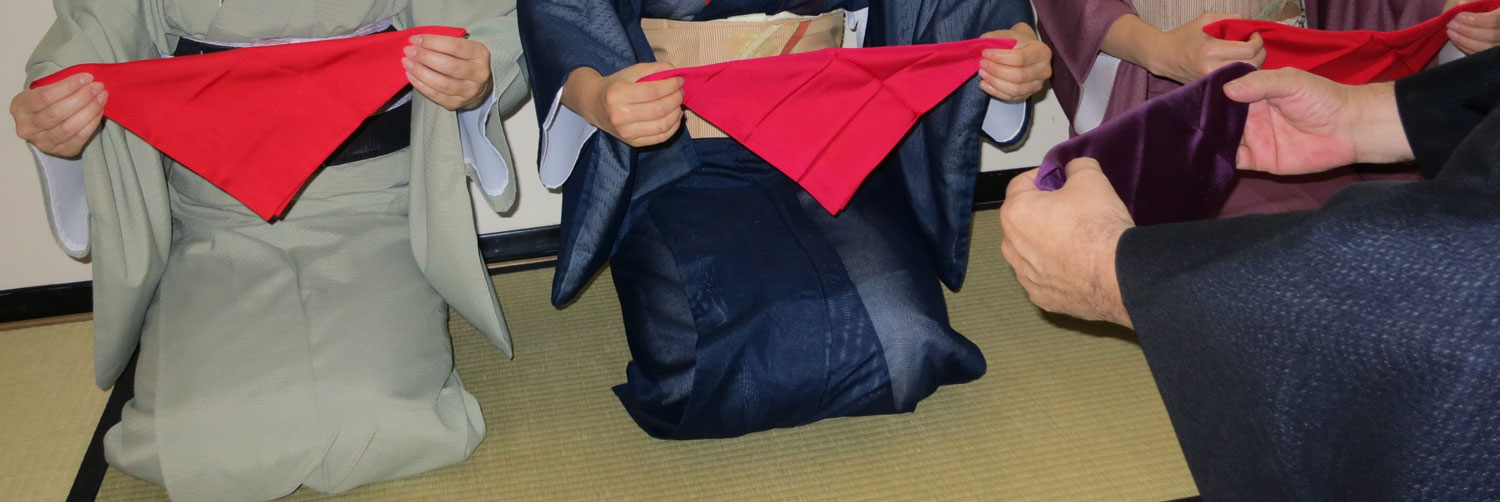
Please meet the teaching staff of Urasenke Boston. These instructors rotate teaching responsibilities at the Kyo-no-machiya in the Boston Children's Museum.
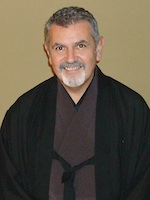
Glenn Sōrei Pereira
Sei-kyoju, Professor Emeritus
グレン ペレイラ 宗麗 正教授
urasenkeboston@gmail.com
Glenn-sensei started studying tea ceremony in 1981 and is a graduate of the Urasenke Professional College of Chado in Kyoto, Japan. He has been teaching with the Urasenke Boston Association since 1983.
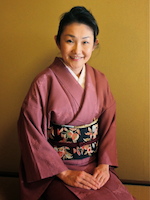
Miho Sōho Machida
Jun-Kyoju, Associate Professor
美穂 町田 宗穂 準教授
urasenkeboston@gmail.com
Miho-sensei started studying tea ceremony in 1999 and has participated in intensive study in Boston, New York, and Japan.
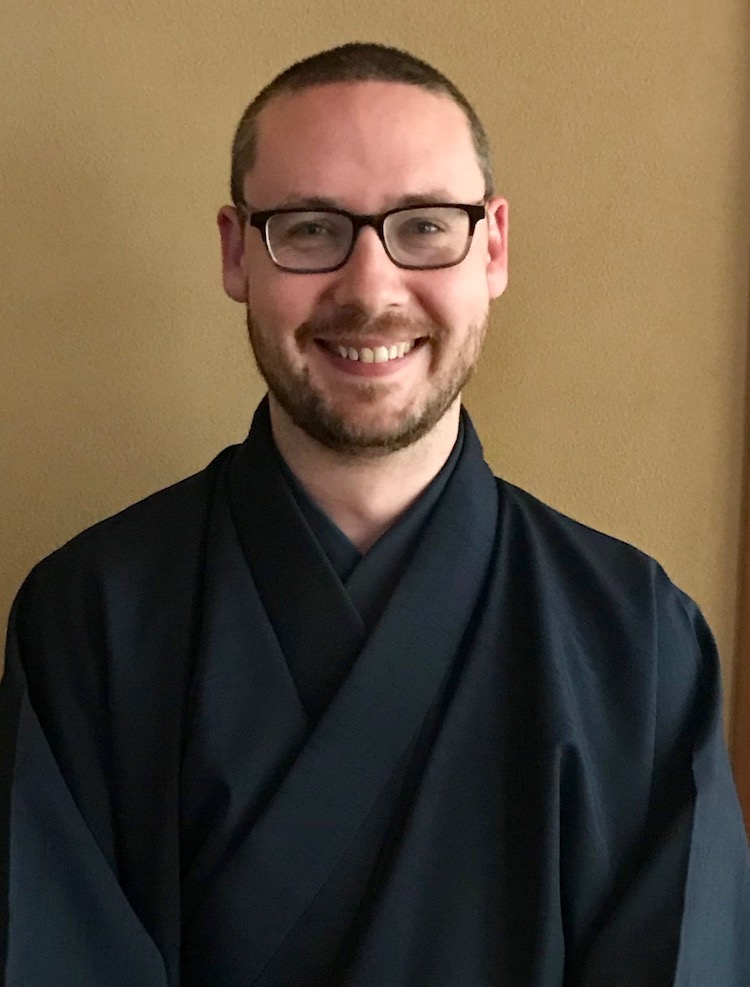
Clayton Sōkyu Myers
Jun-Kyoju, Associate Professor
クレートン マイアーズ 宗久 準教授
urasenkeboston@gmail.com
Clayton-sensei started studying tea ceremony in 2014 and has participated in intensive study in Boston, New York, and Japan.
FAQs
Is it possible to attend a tea ceremony?
We hold public demonstrations throughout the year at various events and occasions throughout the Boston area. At the moment, we do not directly host any other tea gatherings for the public.
Can I sign up for a class?
The way of tea is best approached through long-term study. We do not offer one-off or "introductory" classes. People who are interested in pursuing long-term study with us are invited to attend and watch a class session as an exploratory visit before joining.
I am interested in long-term study and would like to schedule an exploratory visit. When are classes held?
Classes are held three Sundays a month at the Boston Children's Museum from 10am to 2pm. Please contact us at urasenkeboston@gmail.com to arrange your visit.
Can I become a member?
We invite prospective members to come and visit a class before joining. Once you've visited, if you're still interested in joining, please download the membership application form, fill it in, and send it to urasenkeboston@gmail.com.
What should I know before I attend a class?
You may wear Japanese or Western attire. For Japanese attire, a kimono is appropriate for both men and women. For Western attire, both men and women should wear clean white socks, and women should wear a skirt or dress that covers her knees when sitting. Please avoid: watches, jewelry, perfume, cologne, jeans, or bare shoulders.